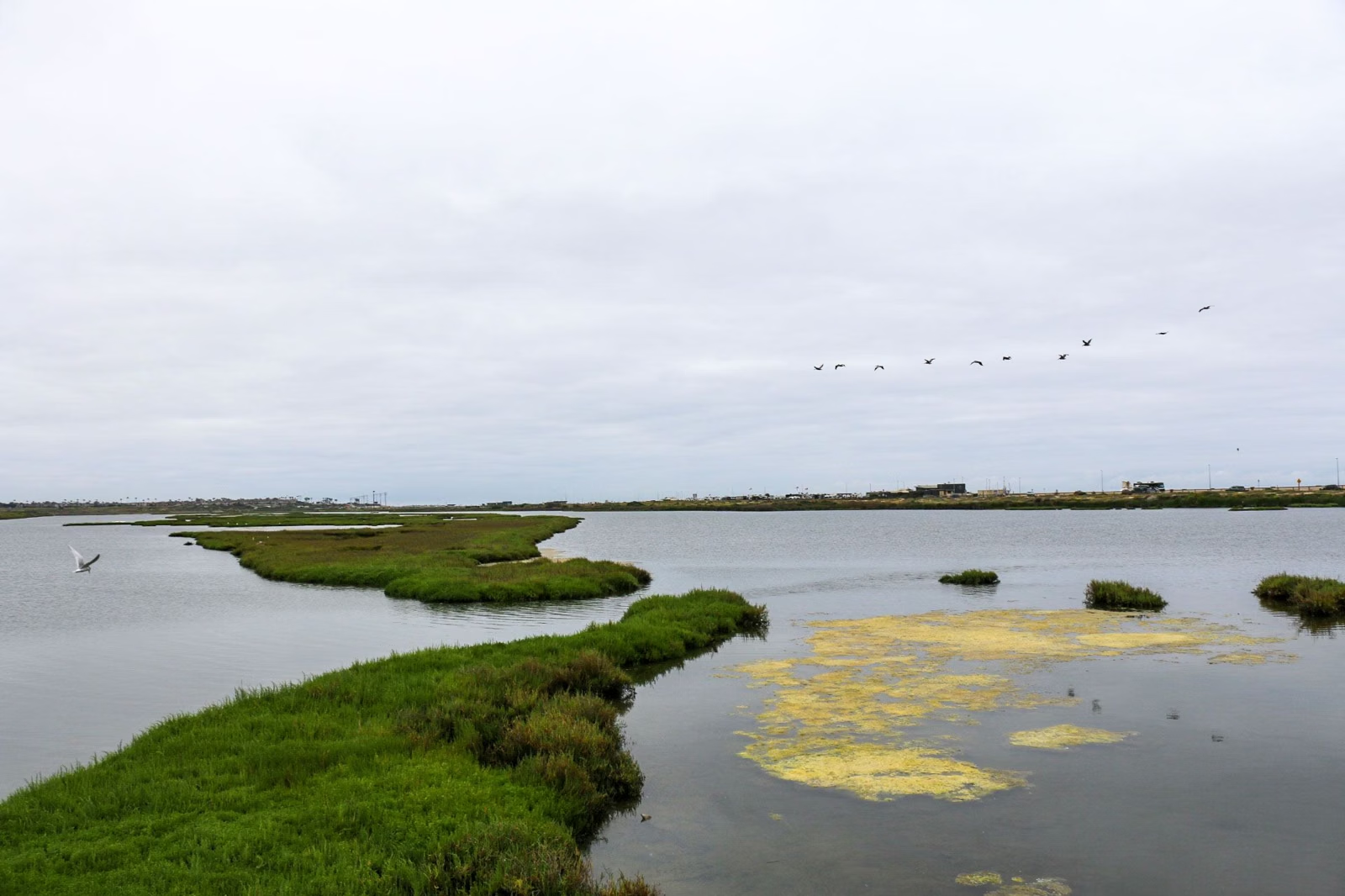
Bolsa Chica Wetlands
The Bolsa Chica wetlands are a separate place from the state beach. The Bolsa Chica Ecological Reserve sits across Pacific Coast Highway from Bolsa Chica State Beach and is run by the California Department of Fish and Wildlife (CDFW), not California State Parks. It covers over 1,300 acres of coastal wetland around a saltwater estuary, is open 6 a.m. to 8 p.m. daily, and has about 4 miles of public trails reached from two parking lots.
The Ecological Reserve at a Glance
What the Reserve Is
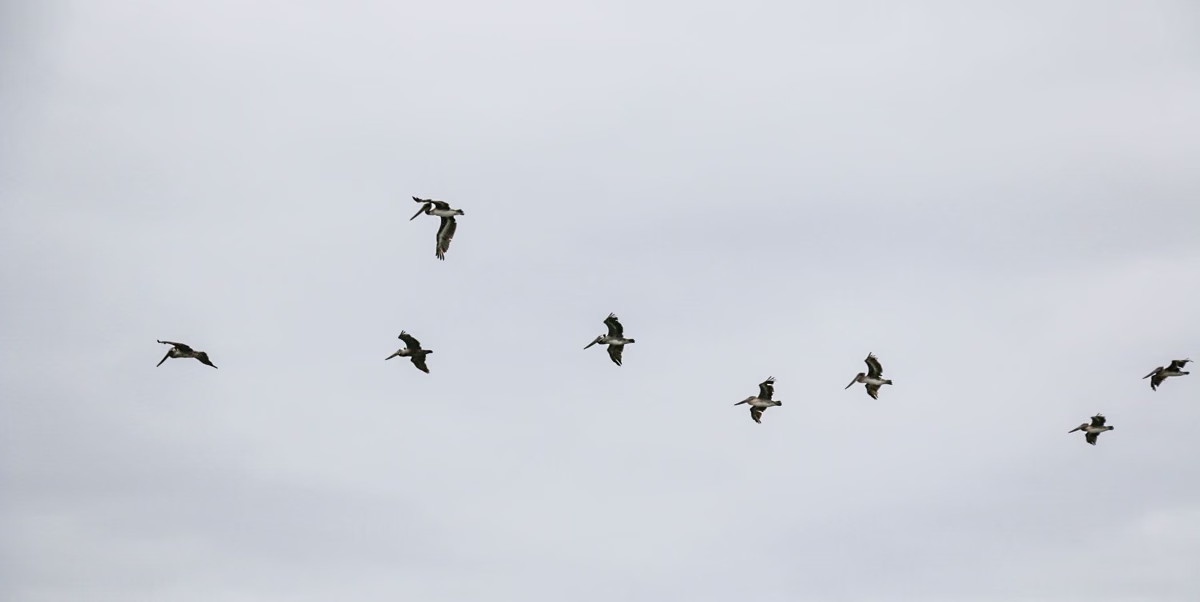
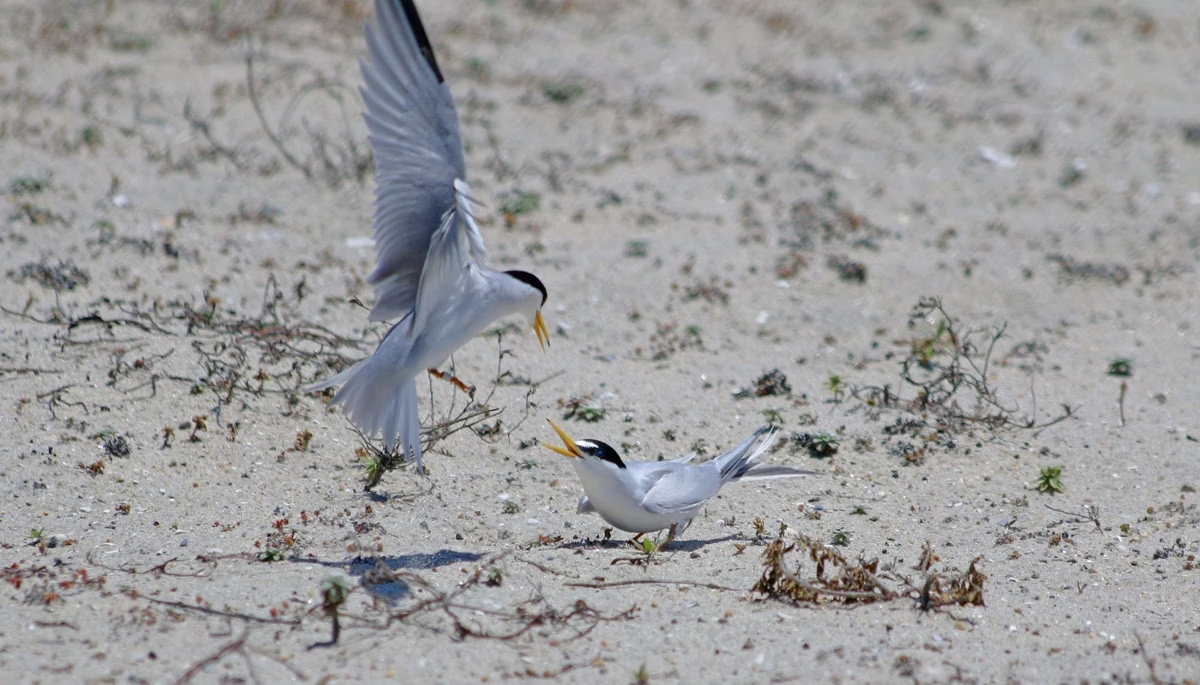
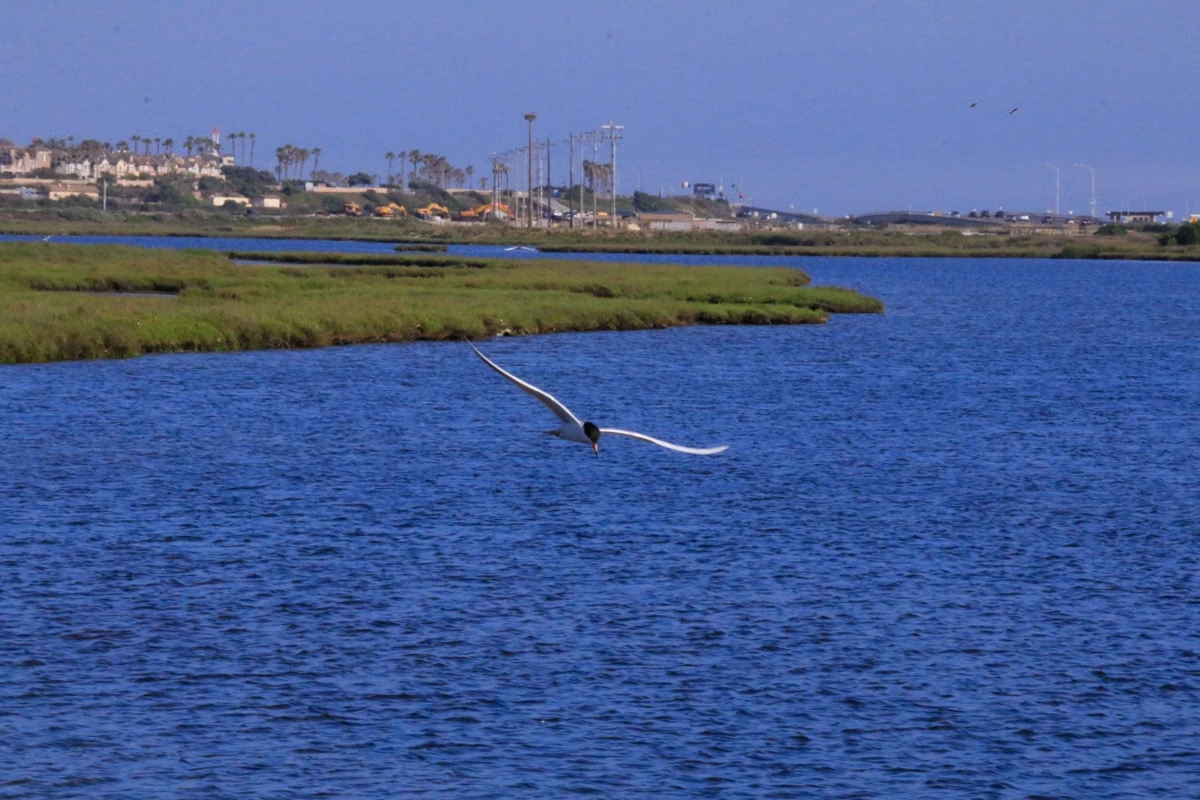
CDFW describes the Ecological Reserve as more than 1,300 acres of coastal habitat around a saltwater estuary: mudflats, salt and freshwater marsh, coastal dunes and streamside habitat. Hiking trails, guided tours and a nature center are the main draws. More than 200 bird species have been recorded there, including osprey, black skimmer, terns, white-faced ibis, American avocet and black-necked stilt, which is why it is popular with birders and photographers.
California State Parks, which runs the beach, points visitors to the wetlands as a partner area. Its conservation-area page quotes the nonprofit Amigos de Bolsa Chica: the Bolsa Chica is an important stop for migratory birds on the Pacific Flyway.
Hours, Address and Parking
- Hours: open daily, 6 a.m. to 8 p.m. (CDFW). Under the marine conservation area rules, no one may enter the conservation areas between 8 p.m. and 6 a.m.
- Address: 18000 CA-1, Huntington Beach, CA 92648.
- South parking lot: across PCH from Bolsa Chica State Beach. Heading north on PCH from Huntington Beach, go about 3.4 miles; just past the turn for the state beach, the reserve entrance is on the right. Coming south from Seal Beach you cannot turn straight in; continue to a U-turn lane and come back northbound.
- North parking lot: next to the Interpretive Center on Warner Avenue near PCH. Northbound on PCH, turn right on Warner and right again into the lot; southbound, turn left on Warner, then right into the lot.
CDFW does not list a parking fee for the reserve lots. They are separate from the state beach's paid lots (beach parking).
Trails
Each parking lot connects to a 4-mile network of public trails with overlooks and interpretive panels, according to CDFW. The trails are gravel and packed sand with wooden boardwalks over the water, which gives a fair amount of wheelchair access. One of them, shown on CDFW's photo page, runs from the south lot across a pedestrian bridge over Inner Bolsa Bay.
Stay on the trails. Under the conservation area rules, visitors may only be on established trails, paths and designated areas; CDFW says some areas may be closed because oil production still goes on there.
Not allowed: dogs and bicycles (CDFW). Drones need a CDFW Special Use Permit on any CDFW land.
Interpretive Center and Free Tours
The Bolsa Chica Ecological Reserve Interpretive Center, run by the Bolsa Chica Conservancy, has educational exhibits and is next to the north parking lot on Warner Avenue, with public restrooms beside it. The center and restrooms have wheelchair ramps. Phone: (714) 846-1114.
Free docent-led tours are run by three nonprofit groups: Amigos de Bolsa Chica, the Bolsa Chica Conservancy and the Bolsa Chica Land Trust. Current tour times are posted on bulletin boards at both parking lots.
The Marine Conservation Areas
Two state marine conservation areas overlap the reserve and are managed separately from it:
- Bolsa Bay SMCA (from about the Warner Avenue bridge to the pedestrian bridge): no taking of marine life except recreational hook-and-line fishing for finfish from shore in designated areas.
- Bolsa Chica Basin SMCA (No-Take) (from the pedestrian bridge to the PCH bridge): no taking of any marine life.
In both, boating, swimming, wading and diving are prohibited. See fishing for what is allowed on the ocean beach.
A Little History
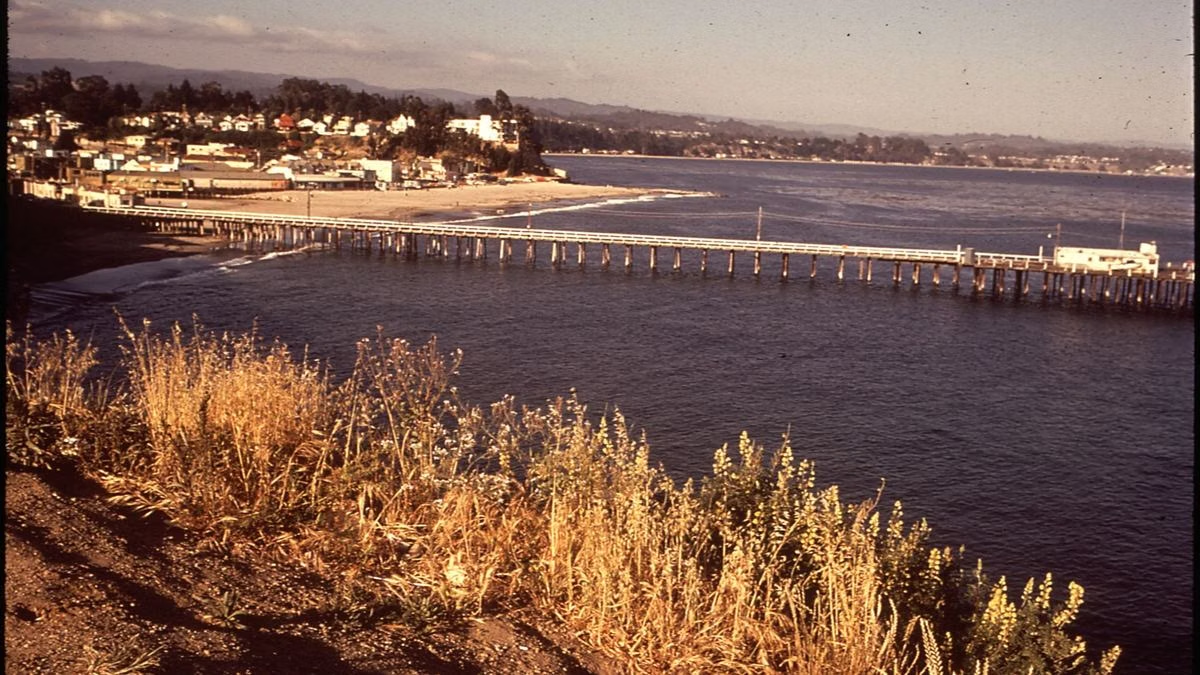
CDFW says oil was discovered in Huntington Beach in the 1920s and drilling in the Bolsa Chica lowlands began in the 1940s; there is still active oil production on the reserve. The first 300 acres were bought in 1973 and named an ecological reserve by the Fish and Game Commission in 1978. About 1,000 more acres were added in 2005 and 2006. Amigos de Bolsa Chica, quoted by State Parks, adds that the area's history reaches back to the Native Americans who lived on the mesas.
Good For / Maybe Skip If
Good for: birding, photography, flat walks on boardwalks and gravel, and a quieter hour after a beach morning.
Maybe skip if: you are bringing a dog or a bike. Both are banned in the reserve; the paved beach trail allows both.
Bolsa Chica Wetlands FAQ
Is the Bolsa Chica Ecological Reserve part of Bolsa Chica State Beach?
No. The Ecological Reserve is across Pacific Coast Highway and is run by the California Department of Fish and Wildlife. The state beach is run by California State Parks.
What are the Bolsa Chica wetlands hours?
CDFW lists the Ecological Reserve as open daily from 6 a.m. to 8 p.m.
Are dogs allowed at the Bolsa Chica wetlands?
No. CDFW prohibits dogs and bicycles in the Ecological Reserve.
Where do you park for the Bolsa Chica wetlands?
There are two lots: the north lot by the Interpretive Center on Warner Avenue, and the south lot on PCH across from Bolsa Chica State Beach, entered northbound.
How long are the Bolsa Chica wetlands trails?
CDFW says each parking lot connects to a 4-mile network of public trails with overlooks and interpretive panels.
Are there free tours of the Bolsa Chica wetlands?
Yes. Amigos de Bolsa Chica, the Bolsa Chica Conservancy and the Bolsa Chica Land Trust lead free docent tours. Times are posted at both parking lots.