About Bolsa Chica State Beach
Bolsa Chica State Beach is a California state beach in Huntington Beach, Orange County, stretching about three miles along Pacific Coast Highway between Warner Avenue and Seapoint Street. California State Parks says the shore was once known as "Tin Can Beach" before it became a state beach in 1960. Today it draws hundreds of thousands of visitors a year for surfing, swimming, volleyball, bonfires and sunsets.
The Beach at a Glance
From "Tin Can Beach" to State Beach
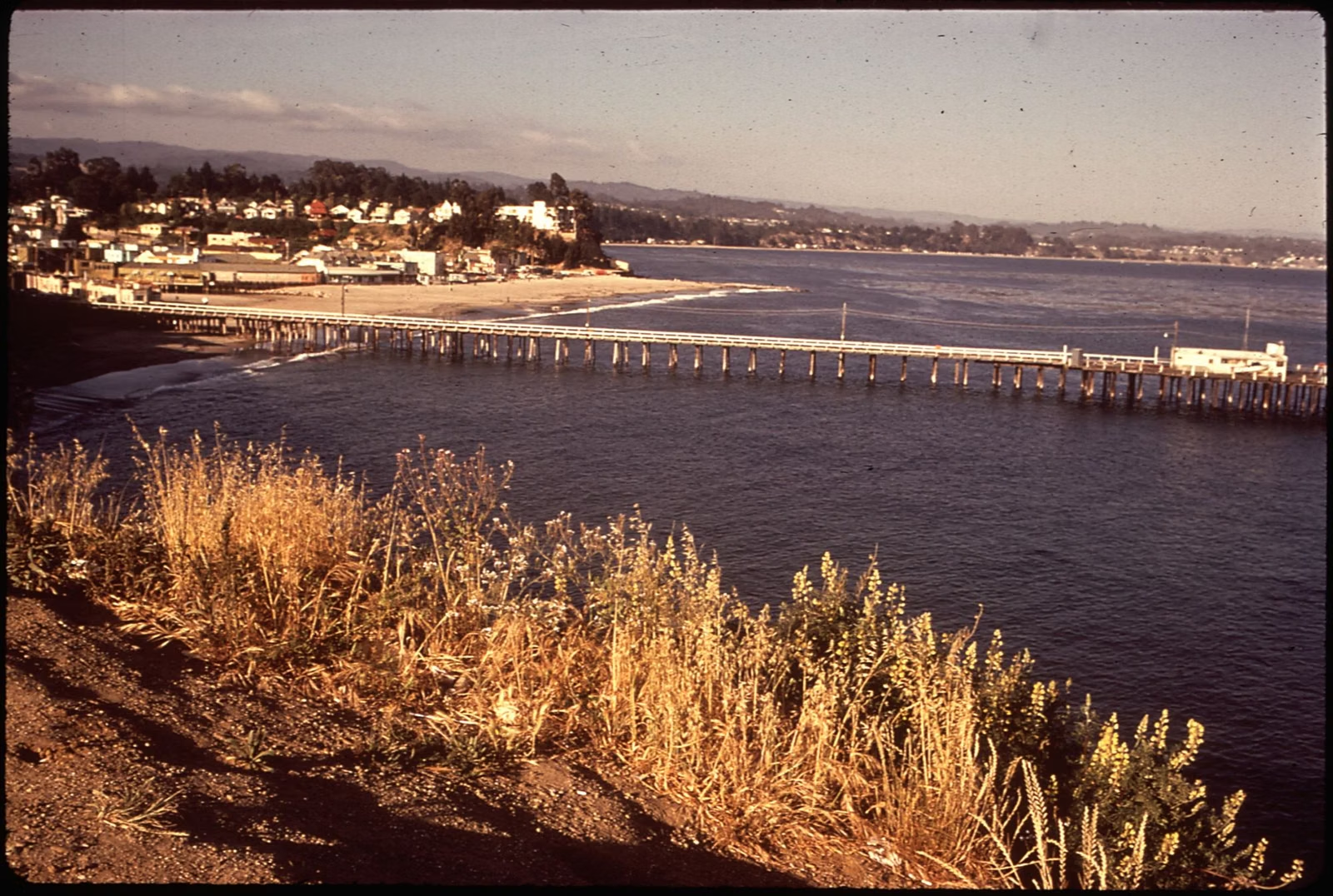
In its own short history of the park, California State Parks says this stretch of shore was once called "Tin Can Beach," and that it became a state beach in 1960.
Today State Parks describes Bolsa Chica as a popular destination that draws hundreds of thousands of visitors every year: a place to surf, sunbathe, play volleyball, do water sports, hold family outings or watch the sunset.
Who Runs the Beach
- California State Parks (the Department of Parks and Recreation, Orange Coast District) manages the state beach, its parking, campground, fire rings and Visitor Center.
- The California State Parks Lifeguard Service guards the water: patrols all year, towers staffed roughly Memorial Day to Labor Day (swimming).
- The City of Huntington Beach manages the shore south of Bolsa Chica, from Seapoint Street to Beach Boulevard.
- The California Department of Fish and Wildlife runs the Bolsa Chica Ecological Reserve across the highway (wetlands).
- The Prjkt Concessions runs the food stands and restaurants under contract (food and drink).
The Land Behind the Beach
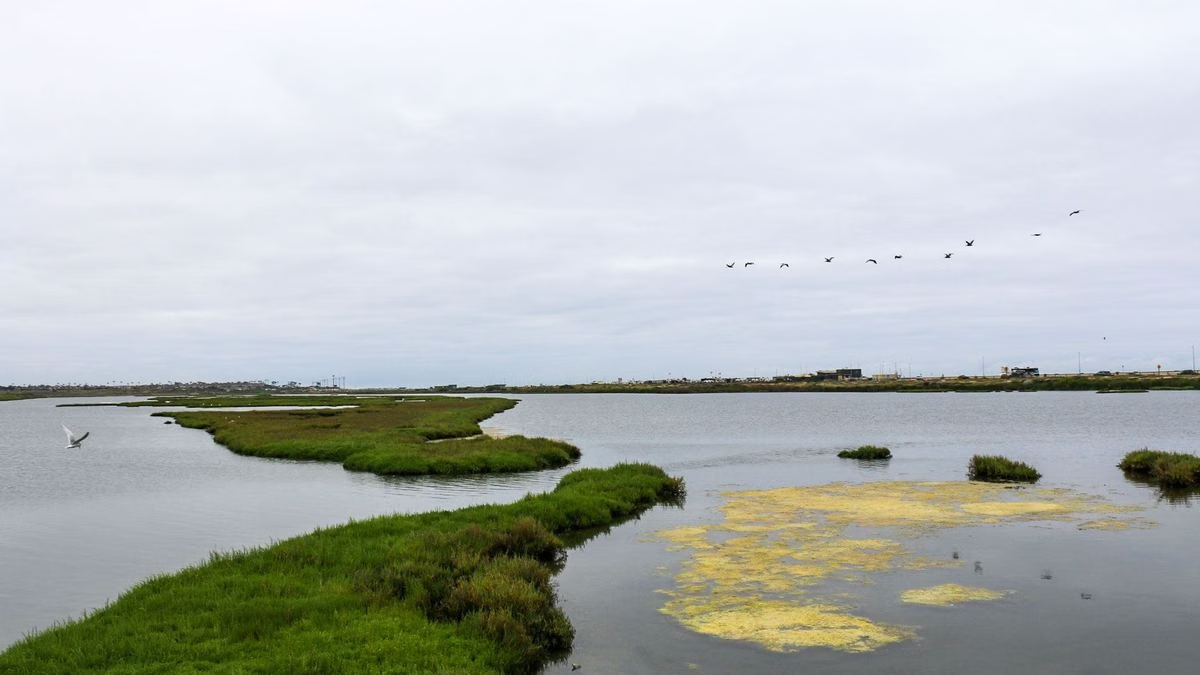
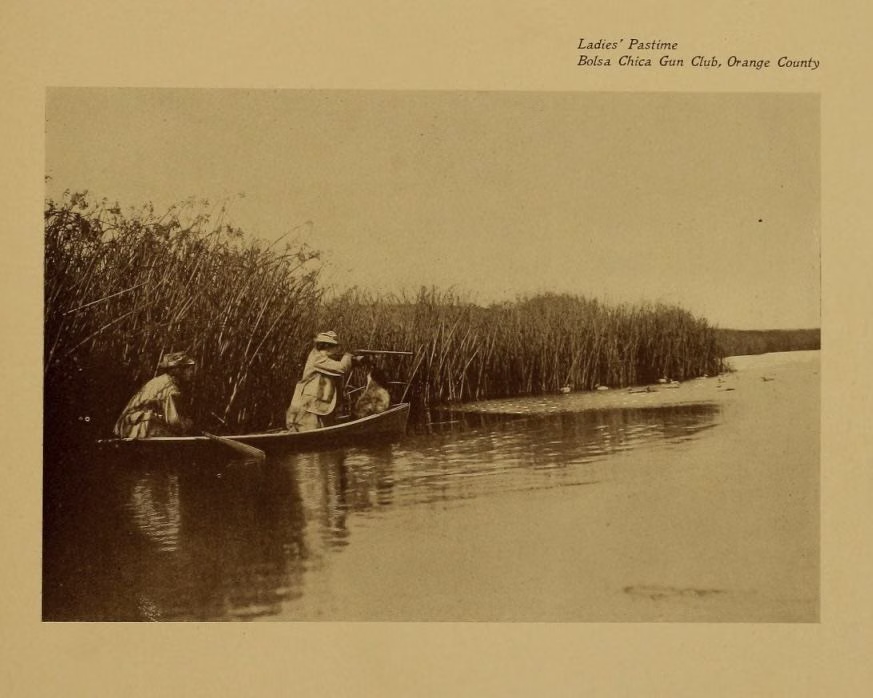
The name Bolsa Chica belongs to the wider area of wetlands, lowlands and mesa behind the beach. A State Parks page, quoting the nonprofit Amigos de Bolsa Chica, says the area's history begins with the Native Americans who lived on top of the mesas and runs through oil production in the twentieth century, and that it is an important stop for migratory birds on the Pacific Flyway.
CDFW adds the oil story: oil was found in Huntington Beach in the 1920s and drilling in the Bolsa Chica lowlands began in the 1940s, and some production continues on the reserve today. The first 300 acres were acquired in 1973; they became an ecological reserve in 1978, and about 1,000 acres more were added in 2005 and 2006.
Surf City Next Door
Bolsa Chica sits on the north side of Huntington Beach, the city known as Surf City USA. California State Parks credits city founder Henry Huntington with hiring Hawaiian-born surfer George Freeth in 1910 to show off surfing on a long wooden board. Duke Kahanamoku surfed at the Huntington Beach Pier in 1925, and the first West Coast Surfing Championship was held at Huntington in 1959. State Parks says Bolsa Chica itself "consistently draws prime waves" (surfing).
The Beach Today
- About three miles of sand, with day-use lots right behind it and a paved multi-use trail along the whole length.
- Close to 200 fire rings, open every day.
- A 50-site RV campground on the beach.
- Year-round exhibits at the Visitor Center, plus seasonal night grunion programs.
- Open 6 a.m. to 10 p.m. daily (hours and fees).
About Bolsa Chica State Beach FAQ
Why was Bolsa Chica called Tin Can Beach?
California State Parks says the beach was once called "Tin Can Beach" before it became a state beach in 1960. The agency does not say more about the name's origin.
When did Bolsa Chica become a state beach?
In 1960, according to California State Parks.
Who manages Bolsa Chica State Beach?
California State Parks, through its Orange Coast District. The wetlands across PCH are run separately by the California Department of Fish and Wildlife.
Where is Bolsa Chica State Beach?
In Huntington Beach, Orange County, California, along about three miles of Pacific Coast Highway between Warner Avenue and Seapoint Street.
Is Bolsa Chica the same as Huntington Beach?
Bolsa Chica State Beach is inside the city of Huntington Beach but is a separate state beach. South of Seapoint Street the shore becomes Huntington City Beach, run by the city.